



Medical Castors
Haodeli: Leading Medical Castors Manufacturer in China!
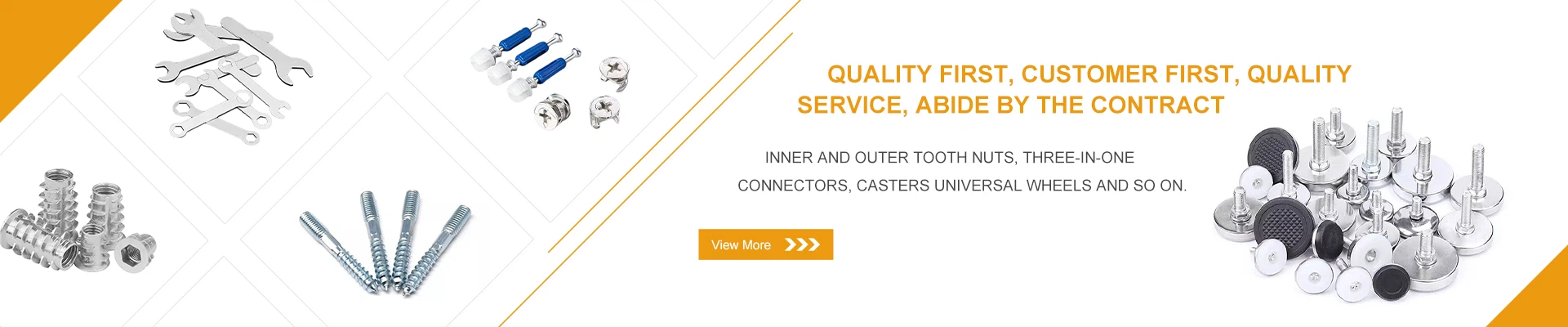
Shenzhen Haodeli Furniture Fittings Co., Ltd. (referred to as "Haodeli Hardware Fittings Factory") is a manufacturer specializing in the production and sales of furniture hardware accessories and furniture plastic accessories manufacturers. The main products are: inner and outer tooth nuts, three-in-one connectors, casters universal wheels and so on.
Wide Product Range
We can export various custom fasteners with a wide variety of plating, which includes different colors of Zinc, Black Oxide, Black Anodizing, Tin, Silver, Waxing, Passivation, Nickel, Antique Brass, Chrome, Cadmium, GM Spec, Magni Coating, Chrysler spec, and so on.
Quality Raw Materials
We supply both inch and metric fasteners. Our fastener line includes a wide range of materials such as steel, stainless steel, brass, silicon bronze, Hastelloy, Inconel, Monel, aluminum, alloy 20, 17-4PH, 17-7PH, titanium, and other non-ferrous metals.
Quality Guaranteed
From quality testing of raw materials to the careful management of manufacturing processes and the comprehensive testing of finished products, we can deliver customer orders that live up to and exceed expectations.
Advanced Equipment
With state-of-the-art Japanese technology power coating lines and professional fabrication machines such as automatic welding and tube laser cutting machines, customers can be assured that every product will be fabricated with precision and care.



Introduction of Medical Castors
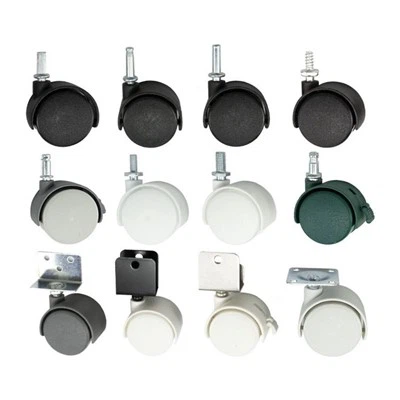
Casters for medical equipment are not your average casters. Casters for medical equipment will provide you with the design features you need and will last for years under the tough conditions commonly found in the healthcare industry such as high heat, moisture, chemicals, and hefty loads.
We offer medical-grade casters for a variety of uses, including hospital bed casters, medical cart casters, casters for IV poles and ventilators, and other medical equipment casters.
Regardless of the application, helping to provide safety and a pleasant patient experience is of utmost importance. To ensure the best environment is provided for healing patients, hospitals are graded by patients via HCAHPS survey scores. HCAHPS (the Hospital Consumer Assessment of Healthcare Providers and Systems) is a patient satisfaction survey, enforced by the Centers for Medicare and Medicaid Services, for hospitals in the United States. In order to ensure that casters do not detract from patients’ experience in a hospital, medical casters need to be extremely smooth and quiet.
Provide CAD Files Or 3D Files or Samples
Only through the above information you provided we can know the size, precision, and key features of the product to be controlled, which is the basis for us to accurately evaluate the price of the product.
Get a Quote
Tell us the quantity of products you need, and we will provide you with corresponding ladder prices according to different quantity requirements.
Specify Process, Material, Surface Treatment
If your requirements are consistent with the drawings you provide, it is not necessary to specify.
Order Your Parts
Send your order to us, we will reply to your specific delivery date.
Receiving Your Parts
After the order is completed, we will notify you in time and cooperate with you in logistics operations.
Features of Medical Castors
Minimizing Noise
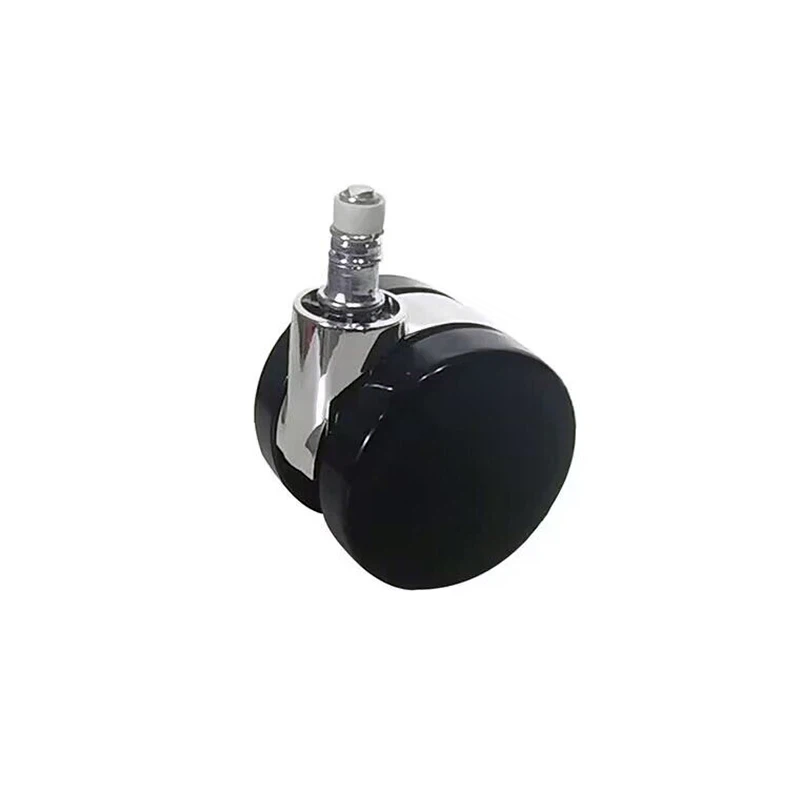
Medical carts can be noisy when rolling on improper casters. Noise level reduction of 10% or more is common when implementing correct caster solutions.

Maintaining a Clean Environment
Patients' perception of cleanliness can influence their feedback on HCAHPS surveys. This can impact medical facilities' brand/reputation.

Avoiding Downtime
Medical carts rolling on faulty casters can lead to downtime caused by out-of-service carts or time needed to swap casters.

Floor Protection
Low-grade wheels can mark and damage floors. High-quality non-marking wheels dispel debris to reduce work required for floor upkeep.
Basic Structure of Medical Casters
Wheels
Wheels are often made from various materials like rubber (TPR), polyurethane (PU), or metal, to provide sturdy support and smooth mobility.
Brackets
Brackets are the parts that connect the wheels to the equipment and are typically made of metal or plastic to ensure stability and reliability.
Bearings
Bearings allow the wheels to rotate smoothly, reducing initial push force and rolling resistance, thus enhancing maneuverability.
Why Use Medical Casters in Your Facility?
Easy to Maneuver
Medical casters are designed specifically to maneuver an array of medical equipment, ranging from IV stands and poles to hospital beds. Depending on the application, casters have different specifications and designs, and are made from various materials such as iron, rubber, and polyurethane. Two-wheeled casters are the easiest to maneuver, allowing you to swivel or pivot in any direction.
Boosts Mobility
Among the most important benefits of medical casters is mobility. They make it speedy and easy to move items across various terrain. For instance, a gurney with medical casters can be used to transport an injured athlete from a grassy playing field into an ambulance. Casters can also be installed on medical carts to carry equipment across the tiled or carpeted corridors of an emergency center.
Strength and Durability
Different sizes and materials of medical casters can be used to transport various load capacities. The ones installed under medical beds are sturdy enough to hold an extensive range of weights, but smooth enough to roll through the facility. Casters used on IV poles are smaller and more mobile than ones under hospital beds, but they are just as durable.
Safety
Medical casters are different from industrial-grade ones because of their safety features. Some casters come with either total or directional locks to prevent them from swiveling while in use. Others are equipped with foot brakes, which are easy to access and engage as needed. There are also high-quality casters made with anti-microbial wheels and static dissipating materials that are ideal in laboratories and highly sanitized areas like operating rooms.
Reduced Noise
Amidst the hustle and bustle of healthcare facilities, most patients need a quiet environment while recovering. Quiet mobility is something that quality medical casters can offer. Choose ones that are equipped with precision bearings that provide a smooth, nearly soundless ride.
Types of Medical Casters
Double Wheel Casters
Double Wheel Casters are designed for an assortment of applications including patient lifts, medical equipment and computer equipment. These casters are easily recognized throughout hospitals with their strong presence on medical carts, mobile furniture and utility carts. The dual wheel design provides a wide footprint on the floor which makes these casters stable and less likely to get stuck in any cracks such as when exiting an elevator.
Multi-Purpose Casters
Multi-Purpose Casters come in various aesthetic styles which are used by preference based on the type of equipment the caster is going on. These range from being on lab equipment, mobile computer stands and diagnostic equipment to IV stands, laundry hampers and chairs/recliners. These come in zinc plated, stainless steel and some plastic body rig designs.
Nylon/Plastic Casters
Nylon/Plastic Casters are manufactured out of a glass filled nylon base which composes the actual caster body and is designed for strength and durability. These can be specifically designed for many different styles of medical equipment including MRI certified devices by being manufacturered with all non-magnetic stainless steel components inside a plastic caster body.
Antistatic Casters
Antistatic Casters are used on electronic equipment which is at risk for damage that can be caused by the electrostatic discharge of a simple human touch. Damage caused by this discharge is very costly and frustrating to the medical industry. Antistatic casters and wheels can help minimize the risk of electrostatic discharge.
Hospital Bed Casters
Hospital Bed Casters are specifically designed for hospital beds, stretchers, gurneys and medical chains. Common sizes are 4”, 5” and 8” casters which are equipped with sealed ball bearings, plastic thread guards and crowned wheels for easy rolling and turning. A central locking brake design provides a more positive wheel lock with more surface contact on the wheel.
Specialty Casters
Specialty Casters and wheels can be a broad category but specifically for medical applications we will mention wheel chair and bed replacement parts here. For wheel chairs, replacement parts are available on a versatile front wheel chair replacement fork, wheel chair replacement wheels, complete wheel chair front wheel casters as well as the wheel chair rear wheel which are 24” in diameter.
Applications of Medical Casters


Hospital Casters
In a hospital setting, patient comfort, equipment mobility, and hygiene maintenance are of paramount importance. Hospital casters come into play in areas like patient beds, allowing for easy movement and adjustment. They are also found in critical care units on life-supporting equipment and medical carts. These casters provide silent mobility, essential for a patient’s recovery environment.
Medical Waste Casters
Medical waste management is a crucial aspect of any healthcare institution. Casters fitted on medical waste bins facilitate easy transport of waste materials, minimizing the risk of contamination. These casters are built to withstand harsh chemicals and frequent cleaning, ensuring longevity and optimal performance.
Laboratory Casters
Laboratories are environments of precision where even the slightest vibration can impact results. Casters used in labs must provide smooth and controlled mobility, a feature that’s essential when transporting sensitive substances or delicate equipment.
Pharmaceutical Casters
Pharmaceutical facilities require stringent cleanliness standards, and the casters used in this setting must meet these requirements. Casters on pharmaceutical equipment must resist chemical reactions, endure regular sterilization, and allow for the smooth transport of medicines and other pharmaceutical products.
Cart Casters
Medical carts, carrying everything from emergency medical supplies to patient records, are the workhorses of any healthcare facility. The casters on these carts must offer easy maneuverability, especially in emergency situations. They should also minimize noise to ensure a peaceful environment for patients.
Business Machine Casters
Even in administrative areas of healthcare settings, the role of casters cannot be overlooked. Business machine casters attached to office equipment like printers or filing cabinets help in efficient space management and offer easy access to necessary documents and equipment.
Patient Chairs and Wheelchairs
Patient chairs and wheelchairs use casters to provide patients with comfortable and convenient mobility. This makes it easier for patients to move while reducing the burden on healthcare workers.
Operating Rooms
Surgical tables are typically equipped with both fixed and swivel casters to provide reliable stability and flexible maneuverability. Doctors and nurses can easily adjust the surgical table for the best surgical position.
Since casters need to constantly perform at their peak and be durable to create a positive impact on ROI, the logical next step is to examine how to identify the right casters for intended applications. Here are a few key points to consider:
Wheel Material
The wheel material that you select impacts a variety of performance parameters. Popular choices for medical applications include Neoprene and Urethane wheels which are considered quiet, non-marking and shock absorbent. Accounting for these factors creates an environment which restricts noise levels for both patients and operators, reduces risk of damaging floors, while also extenuating damages to the equipment and injury to personnel.
Load Capacity
In general, it is recommended that each caster should have the capacity to support one-third of the total load weight of the load.
Floor and Environmental Conditions
Floor conditions could include towing equipment on greasy surfaces. Environmental conditions could include exposure to harsh chemicals, etc. These factors need to be weighed when selecting casters. For example, our caster series resist corrosion due to exposure to chemicals and therefore make a great match for equipment used in operating rooms, laundry rooms, etc.
Requirements for Braking and Locking Mechanism
There are various options available. Usually, the braking and locking mechanism on medical casters is more complex than on industrial casters.
Wheel Diameter and Bearing
Optimal wheel diameter and bearing selection will have a positive impact on maximizing mobility and enhancing workplace ergonomics.
G-force (a Measurement of the Type of Acceleration that Causes a Perception of Weight)
A lower g-force improves shock absorption and provides extra protection to the equipment while also assisting to reduce injury risks to operators.
Durability
Consider the number of kilometers a single piece of medical equipment is expected to travel during its product life cycle. Casters with durability curate replacement costs.
IEC / ISO Specifications
IEC 60601: Technical standard for the safety and effectiveness of medical equipment
ISO 22881: Requirement for use on manually propelled equipment for institution applications
ISO 22882: Requirements for castors for hospital beds
ISO 22883: Requirement for applications up to 4 km/h
ISO 22884: Requirement for applications over 16 km/h
For the OEMs, besides considering the points above that end-users value, the following can be factored in:
Aesthetics, a key element of product design: In an era where form is considered as important as function, imagine a situation where a cutting edge ultrasound machine is outfitted with casters that appear more like tools added purely for their functional value. This would reduce the premium feel of the equipment. Similar to cutting edge automobiles which use wheels to enhance the function as well as the appearance of their products, casters can be used to add to the overall design and premium feel of the medical equipment.
Using casters with a positive reputation: Many end-users prefer casters from trustworthy and well-known manufacturers therefore including these casters on the original equipment creates additional value for the end-users.
Collaborating with caster manufacturers at the early stage of new product development: To ensure that casters are “right” for the intended application, it is a great practice to involve caster manufacturers early in the product design process. Early inputs from caster manufacturers can reduce the time to market and significantly improve design value.
Medical Casters vs. Industrial Casters: Features and Distinctions
Features of Medical Casters
Hygiene and Cleanliness: Medical casters are designed for use in healthcare facilities such as hospitals and nursing homes. They feature smooth surfaces and often have antimicrobial coatings, making them easy to clean and resistant to bacterial growth.
Low Noise and Smooth Operation: In medical environments, quiet and smooth operation is essential. Medical casters are engineered to reduce noise and vibrations, ensuring patient and healthcare staff comfort.
Lightweight Materials: These casters are typically made from lightweight materials for ease of transporting patients and moving medical equipment.
Precise Control: Medical casters are required to provide precise control for accurate positioning in narrow medical settings.
Features of Industrial Casters
Durability: Industrial casters are designed for use in factories, warehouses, and manufacturing facilities, where they must withstand heavy loads and constant use. They are built for exceptional durability.
High Load Capacity: They often have a higher load capacity, capable of supporting heavy machinery and goods.
Variety of Materials: Industrial casters come in various materials, including steel, nylon, polyurethane, and others, to suit different environments and application needs.
Dust and Contamination Resistance: In industrial settings, casters need to resist dust, dirt, and exposure to chemicals, so they often have features that prevent contamination.
Differences Between Medical Casters and Industrial Casters
Application Areas: Medical casters are primarily used in healthcare facilities, while industrial casters are predominantly found in industrial environments such as factories and warehouses.
Priority Features: The primary features of medical casters are hygiene, low noise, and ease of cleaning. In contrast, industrial casters prioritize durability, load capacity, and material variety.
Material Differences: Medical casters are typically made from lightweight and easily cleaned materials, such as polyurethane. Industrial casters can be made from a wide range of materials chosen based on specific requirements.
Common Problem of Medical Castors