



Heavy Duty Castors
Haodeli: Leading Heavy Duty Castors Manufacturer in China!
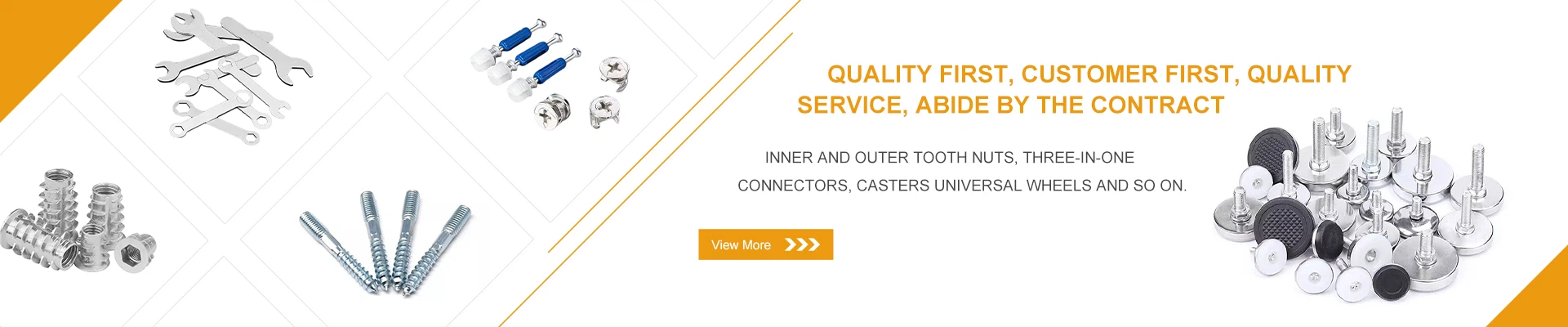
Shenzhen Haodeli Furniture Fittings Co., Ltd. (referred to as "Haodeli Hardware Fittings Factory") is a manufacturer specializing in the production and sales of furniture hardware accessories and furniture plastic accessories manufacturers. The main products are: inner and outer tooth nuts, three-in-one connectors, casters universal wheels and so on.
Wide Product Range
We can export various custom fasteners with a wide variety of plating, which includes different colors of Zinc, Black Oxide, Black Anodizing, Tin, Silver, Waxing, Passivation, Nickel, Antique Brass, Chrome, Cadmium, GM Spec, Magni Coating, Chrysler spec, and so on.
Quality Raw Materials
We supply both inch and metric fasteners. Our fastener line includes a wide range of materials such as steel, stainless steel, brass, silicon bronze, Hastelloy, Inconel, Monel, aluminum, alloy 20, 17-4PH, 17-7PH, titanium, and other non-ferrous metals.
Quality Guaranteed
From quality testing of raw materials to the careful management of manufacturing processes and the comprehensive testing of finished products, we can deliver customer orders that live up to and exceed expectations.
Advanced Equipment
With state-of-the-art Japanese technology power coating lines and professional fabrication machines such as automatic welding and tube laser cutting machines, customers can be assured that every product will be fabricated with precision and care.


Introduction of Heavy Duty Castors
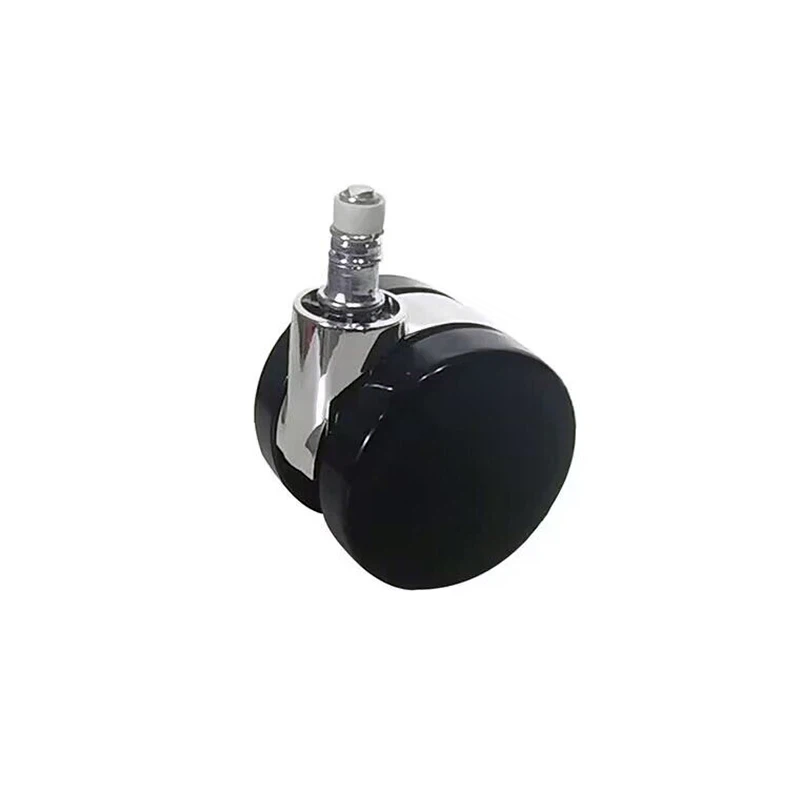
Heavy-duty castors, often referred to as industrial casters, are specialized wheels designed to carry substantial loads. These robust components are built to withstand the rigors of industrial environments, where durability and reliability are paramount. Whether you're moving heavy machinery, materials, or equipment, heavy-duty castors are the unsung heroes that keep things rolling.
Provide CAD Files Or 3D Files or Samples
Only through the above information you provided we can know the size, precision, and key features of the product to be controlled, which is the basis for us to accurately evaluate the price of the product.
Get a Quote
Tell us the quantity of products you need, and we will provide you with corresponding ladder prices according to different quantity requirements.
Specify Process, Material, Surface Treatment
If your requirements are consistent with the drawings you provide, it is not necessary to specify.
Order Your Parts
Send your order to us, we will reply to your specific delivery date.
Receiving Your Parts
After the order is completed, we will notify you in time and cooperate with you in logistics operations.
What Specifications are Important for Heavy-Duty Castors?
There are a few factors we have to take into consideration when producing the right castor wheel for the job. Due to the wide range of applications, these castors are available in loads of different options and specifications. Important for heavy castors are the following characteristics:
Load Capacity
The amount of load the castors have to bear is the main characteristic to look for when choosing the right type of castor for your situation. For most of these heavy-duty castors, we have indicated the maximum load these can bear. In our heavy-duty castor product range, you can find wheels that have a load capacity of up to 18.000 kg. This way, extremely heavy loads are no match for our competitively priced castor wheels. We are happy to provide you with a custom made wheel that will be suitable for your industry if you need a higher load capacity. Contact us for a solution for extra heavy load-bearing castors.
Thread & Tyre Material
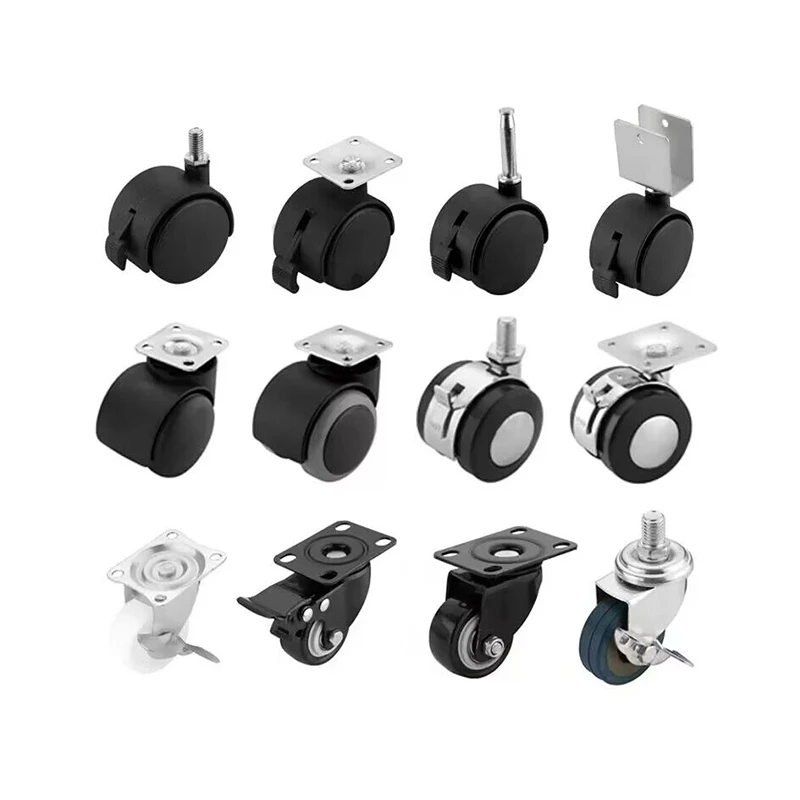
The thread and the tyre material are deciding factors on the overall sturdiness of the castor wheels. We offer heavy-duty castors made from polyamide or vulcanised polyurethane and we also offer a selection of rubber castors. Besides the material of the wheel, the type of mounting is also something you have to consider. For this, you can choose from castors with a top plate fix or side plate fixing castors.
Sizes of Our Heavy-duty Castors
The standard castors in our collection come in a wide variety of different shapes and sizes. In our product filter, you can narrow your search to a certain diameter and/or width.
Brake Systems
To enhance safety, heavy-duty castors often come equipped with brakes that can be engaged to immobilize the wheels when needed. This feature prevents accidental movement.
Advantages of Heavy Duty Casters

Increased Versatility
By increasing the load capacity of a caster, heavy-duty casters become much more helpful for many other tasks besides just being a replacement caster on a piece of office/home furniture. Heavy-duty casters enable you to quickly move appliances such as stoves and refrigerators, machinery and equipment, and so on, by attaching the caster wheels directly to the bottom of them.

Increased Mobility Capabilities
The increased load capacity also enables heavy-duty casters to hold much heavier objects compared to standard 4" caster wheels. A caster with a load capacity of 1,100 lbs would have no problem carrying the weight of a small vehicle. In contrast, most medium-duty 4" casters are limited to about 300 lbs which is why they are typically found on office chairs, file cabinets, and other homes/office items.

Increased Weight Capabilities
Heavy-duty casters can typically at least 600 lbs, but can have capacities of several thousand pounds. This increase in weight capacity is accomplished primarily by the larger diameter of the caster wheel and improvements in the manufacturing process and components that make up the caster parts.

Increased Productivity
You can increase your productivity by using heavy-duty casters to move around large, heavy pieces of equipment such as industrial sewing machines or production floor equipment. The increased load capacity allows you to have a more efficient work environment since you won't constantly move things around on the work floor.
Types of Heavy Duty Castors
Stem Casters
The name of these castors refers to how the caster attaches to the equipment. There is a post, or stem, that attaches to the bottom of your equipment. These types of casters can give your equipment mobility that wouldn’t traditionally have it. You’ll find them in rubber or polyurethane so they won’t scratch the flooring.
Plate Casters
Instead of having a stem, these casters have a flat plate mounted on the top. This makes attaching them to the bottom of the equipment even easier. If you have heavy or industrial equipment, then you’ll want to consider a heavy duty caster with a plate. This type of caster can carry more weight, which makes them better suited for industrial applications.
Leveling Casters
Do you need your equipment to sit at a specific angle or level? These casters have a plate, but you can adjust them to ensure that your equipment sits correctly. You’ll see them used on everything from chairs to vending machines and medical equipment.
Pneumatic and Solid Rubber Casters
These are the casters that are meant for delicate or sensitive equipment. They work best for slow speed movability. These casters will give you a quiet ride by absorbing shock and creating a cushioned ride. You should use pneumatic wheels when you need to roll your equipment over outdoor surfaces or rough outdoor terrain.
Side Mount Casters
The other casters that we have discussed all have horizontal plates. These casters are different because they turn the plate vertical. This allows you to mount the caster on the side instead of the bottom of your equipment.
Heavy Duty Castors – Testing Methods
Drum Role Endurance Test (IOS22833:2004)
This is where the wheel is connected to a rotating drum which in turn rotates the Castors wheel to simulate normal use of the castor. The castor is then tested for 8 hours (travelling nearly 32 kilometres).
Static Load Testing
This is a simple test where the castor has a compressive load applied to it by a hydraulic or mechanical press. Typically the Castor will be subjected to a load 2 times its maximum load to check for any signs of weakness.
Shock / Fracture Testing
Similar to the Drum Role Endurance Test, the Castor wheel is connected to a rotating drum, however this time the drum has obstacles in which the wheel will have to travel (bump) over. The obstacles typically have a thickness equivalnet to 2% of the diameter of the Castors Wheel.
Low & High Temperature Testing
The Castor wheel is tested in an ageing oven, where the Castor is subjected to temperatures slightly higher than their maximum allowable temperatures. The primary focus is on the wheel material (for example Polyurethane) to ensure no deterioration of the Polyurethane or major change in mechanical properties.
Other Test
Dependant upon customers application may include Chemical or Fluid Resistance, Salt Spray Testing, Ozone & UV Testing, Compression Set, Resilience, Temperature (as mentioned above), Tensile Strength of the rubber. These properties are specified by what’s called a Line Call Off, which is an American standard – ASTM D2000:2012 – Specifying Mechanical Properties of Polymer Based Products. This ASTM standard is capable of specifying at all types of mechanical properties of Polymer Based products, including Rubber Castors, Polyurethane Castors and Synthetic Rubber Castors.
Business Uses of Heavy Duty Castors


Warehouses & Distribution Centers
While these casters are not as flashy as some other chair and furniture casters that are only used in an office setting, they are stylish in their own way and are resistant to the warehouse environment in which they operate. Temperature extremes, high speeds, aggressive chemicals, and uneven outdoor terrain are just a few of these harsh environments industrial casters can withstand. Industrial casters are ideal for warehouses and distribution centers. Medium-duty industrial wheels and casters can be used to move over 500-1,500 pounds of material across large warehouse floors or outside surfaces like docks. Industrial casters can also handle the weight of shelving, carts, and more while moving heavy objects.
Manufacturing
Industrial casters are not just for warehouses or distribution centers. These types of casters also have a variety of uses in the manufacturing environment. Whether they’re used to move things around on an assembly line or during production processes, industrial casters are often found in industrial manufacturing facilities. Due to their durability and strength, industrial casters are a great choice in production settings. For example, heavy-duty caster wheels are used to move large workpieces, assemblies, and equipment in the aerospace and aircraft manufacturing processes. Industrial casters are also an integral component of material handling equipment and storage systems. This is a simple task in an industrial setting, where the caster wheels can be attached directly to the machinery, making industrial casters an integral part of the manufacturing process.
Hospitality
The hospitality industry uses industrial casters as a way to make moving equipment around the property easier. It is crucial to have casters in place when equipment is used in a restaurant or hotel. Industrial casters help make it easier for workers and customers, preventing injuries and making sure that items and equipment are easy to move. These casters provide safe, easy mobility, which can be used in a variety of applications such as:
● Banquet tables at hotels and restaurants
● Cafeteria carts and serving stands
● Laundry carts or dollies at resorts and laundromats
● Kitchen equipment such as industrial ovens, refrigerators, and dishwashers
● Hotel and motel beds
In addition, it is critical that carts and their casters are visually appealing and do not appear to have been dragged off an industrial floor. Since industrial casters are expected to be durable and easy to clean, they should also maintain a uniform appearance.
Maintenance and Care for Heavy Duty Castors
Step 1: Regular Check-ups
Inspect your caster wheels regularly for signs of damage. During the inspection, look for:
Signs of wear or damage on the wheel and the caster’s body.
Accumulated debris that might obstruct the wheel’s movement.
Any loose or missing parts.
Perform a visual inspection every month or after heavy-duty usage. Note down issues for future attention. Replace parts or casters which show significant damage. And finally, clear any debris or obstructions and tighten any loose parts.
Step 2: Clean and Lubricate
Clean the caster wheels every so often. You will need a soft cloth, a suitable lubricant (e.g., WD-40, silicone spray), and a brush or toothpick.
During Cleaning
Wipe off any dirt from the caster’s surface with the cloth.
Apply lubricant to all moving parts of the caster.
Use the brush or toothpick to work the lubricant into hard-to-reach areas.
Wipe away excess lubricant with a clean cloth.
Remember to wear protective gloves to protect your skin from potential irritants in the cleaning products.
Step 3: Swivels Check
A smoothly operating swivel ensures easier maneuverability. During the cleaning process:
Remove the caster using a suitable tool (e.g., socket or wrench).
Use a small brush, toothpick or cotton swab dipped in rubbing alcohol to clean the swivel.
Let the swivel air dry before reinstalling the caster.
Step 4: Caster Tension Adjustment
If pushing your equipment feels like a gym workout, you might need to adjust the caster’s tension. For adjustment of the caster:
Loosen or tighten the screws that hold the caster in place until you achieve the desired movement of ease.
Step 5: Inspect Hardware Fasteners
Fasteners hold the caster together and ensure its proper functioning. During the inspection:
Check for any damage such as bends, cracks, or breaks.
Ensure all parts are securely tightened.
Look for signs of corrosion or rust.
If it is damaged then replace the damaged fasteners immediately to prevent the caster from falling apart.
Common Problem of Heavy Duty Castors